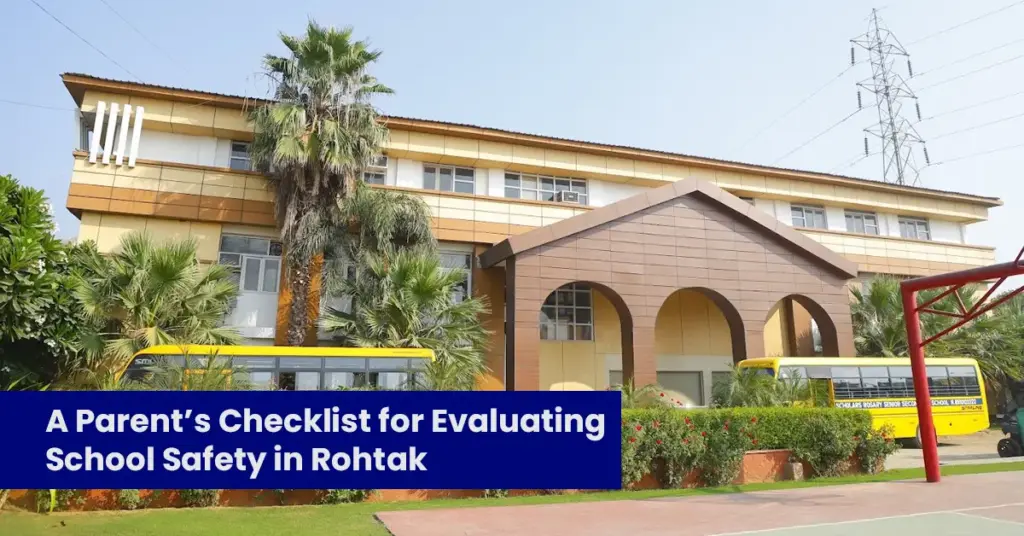
Every parent wants their child to feel safe, comfortable, and cared for at school, just as they do at home. This becomes especially important during the primary school years, when children are still developing emotionally, socially, and academically. A safe school environment protects children from physical harm, bullying, fights, and inappropriate behaviour, while allowing them to learn and participate without fear.
When looking at primary schools in Rohtak, parents should not judge safety only by the appearance of the campus or the presence of security guards. They should understand how teachers behave with children, how the school handles conflicts, and what arrangements are in place inside classrooms, on the playground, and during transportation.
Here is a practical checklist to help parents evaluate whether a school provides the safe and supportive environment their child needs.
How an Unsafe School Environment Can Affect Young Children

The primary school years are an important stage in a child’s development. During this time, children begin forming friendships, developing confidence, expressing their thoughts, and learning how to interact with others. Their experiences at school can influence how they see themselves and the people around them.
When children regularly experience bullying, fights, harsh treatment, or neglect at school, the effects can go beyond the immediate incident. A child who is repeatedly teased or frightened may become quiet, hesitant, or afraid to participate in classroom activities. They may stop asking questions, avoid making friends, or lose confidence in their abilities.
Physical punishment, humiliation, or threatening behaviour from teachers can also make children associate learning with fear. Instead of feeling comfortable approaching a teacher for help, they may hesitate to share their problems or ask questions. This can affect their emotional well-being, classroom participation, and academic progress.
The physical environment matters too. Poorly maintained stairs, slippery floors, sharp edges, damaged playground equipment, and overcrowded classrooms can increase the risk of accidents. Similarly, if teachers ignore fights, bullying, or unsafe behaviour between students, children may begin to feel that nobody is there to protect them.
These experiences can affect a child’s development and their attitude towards school. This is why parents should carefully examine how a school prevents such situations and responds when something goes wrong.
A Parent’s Checklist for Evaluating School Safety
1. Check Whether the Campus Is Designed for Young Children
A school campus should be planned with the age and needs of its students in mind. Young children may not always recognise potential dangers, so the physical environment should minimise avoidable risks.
During a campus visit, parents should check:
- Whether staircases have secure railings and appropriate safety arrangements.
- Whether corridors, floors, and washrooms are clean and well-maintained.
- Whether classrooms have suitable furniture for young children.
- Whether sharp edges, exposed wires, and unsafe electrical fittings are properly secured.
- Whether playground equipment is age-appropriate and regularly maintained.
- Whether students have enough space to move around without overcrowding.
- Whether younger children are supervised during breaks and outdoor activities.
Parents should also look at how the school manages movement between classrooms, activity areas, washrooms, and playgrounds. A well-maintained campus with appropriate supervision can reduce the chances of accidents and help children feel comfortable throughout the school day.
2. Understand the Teachers’ Qualifications and Behaviour
Teachers play one of the most important roles in maintaining a safe school environment. During the primary years, children spend a considerable amount of time with their teachers, so their behaviour and approach can strongly influence how students feel at school.
Parents should find out whether teachers are qualified, experienced, and trained in early childhood education. Teaching young children requires patience, an understanding of their developmental needs, and the ability to manage classroom situations calmly.
It is equally important to observe how teachers interact with students. Do they listen when children speak? Do they encourage questions? How do they respond when a child makes a mistake or behaves differently from others?
Parents can understand this better by visiting the school, speaking with other parents, and, where permitted, interacting with students. They should also ask about the school’s policies on physical punishment, verbal humiliation, and inappropriate disciplinary practices.
Children should be corrected and guided respectfully. Teachers must be able to manage classroom behaviour without making students feel frightened, embarrassed, or uncomfortable.
3. Observe Student Behaviour and How Children Treat Each Other
The way students interact with one another can tell parents a lot about the school’s environment. A safe school should encourage children to treat their classmates with respect, include others in activities, and resolve disagreements appropriately.
During a campus visit, parents can observe how students behave during breaks, classroom activities, and other interactions. Are children comfortable playing together? Do teachers intervene when disagreements occur? Are students encouraged to speak respectfully?
It is important to remember that occasional disagreements are normal among young children. However, repeated teasing, hitting, pushing, threatening, or deliberately excluding classmates should never be ignored.
A school should have clear ways of addressing bullying and inappropriate behaviour. Teachers need to identify such incidents, understand what happened, speak with the children involved, and take suitable action.
A school’s responsibility is not only to stop bullying but also to help students understand why respectful behaviour matters. Teaching children empathy, cooperation, and consideration for others is an important part of creating a safe learning environment.
4. Check How Support Staff Treat and Care for Children
Safety is not limited to the classroom. Children interact with several staff members throughout the school day, including attendants, housekeeping staff, transport personnel, and other support staff.
Parents should understand how these staff members assist younger students, particularly when they need help with everyday situations. For example, how are children supported if they feel unwell, get hurt during playtime, need assistance, or become upset?
It is also worth asking how the school handles incidents involving students and how parents are informed when something happens. A school should have a clear process for reporting concerns and communicating important information to families.
Support staff should behave respectfully and patiently with children. Their role in maintaining cleanliness, assisting students, and supporting daily school activities is an important part of the overall safety environment.
5. Ask About CCTV Surveillance and Security Procedures
CCTV surveillance and proper security arrangements are important, particularly in schools where very young children attend classes. Parents should ask whether cameras cover appropriate common areas, such as entrances, corridors, playgrounds, and other important spaces.
They should also understand how the school manages visitors, monitors entry and exit points, and ensures that children leave with authorised individuals.
Some important questions to ask include:
- Are entry and exit points monitored?
- Is there a visitor registration process?
- Are CCTV cameras installed in appropriate common areas?
- Who is responsible for monitoring security arrangements?
- How does the school ensure that younger children are handed over to authorised parents or guardians?
- What procedures are followed if a child goes missing or an unexpected incident occurs?
Parents should also understand the school’s emergency response procedures, including arrangements for medical emergencies and fire safety.
CCTV is useful, but it should work alongside active supervision and clear security protocols. Cameras alone cannot replace responsible adults who are attentive to children’s needs.
6. Evaluate the School’s Security Guards
Security guards are often the first point of contact at a school’s entrance, but their responsibilities go beyond monitoring visitors. They also help maintain order around entry and exit areas and support the school’s overall security arrangements.
Parents should observe whether security personnel are attentive, approachable, and aware of their responsibilities. They should also ask whether guards are trained to follow visitor procedures, monitor entry and exit points, and respond appropriately during emergencies.
At primary school level, it is particularly important that younger children are not allowed to leave the campus without proper authorisation. Security personnel should understand the school’s procedures for student pick-up and drop-off and coordinate with the relevant staff when necessary.
A well-managed security arrangement helps ensure that the campus remains controlled and that children are supervised during important transition periods.
7. Check School Bus Safety and Transportation Arrangements
For children who travel to school by bus, transportation safety is just as important as campus security. Parents should carefully examine the arrangements made for students during their daily commute.
A school bus should be well-maintained, and its driver should be trained and responsible. Younger children should also receive appropriate supervision while boarding, travelling, and getting off the bus.
Before admission, parents should ask about:
- GPS tracking and transportation monitoring.
- Driver qualifications and experience.
- Availability of attendants or staff to supervise younger children.
- Safe boarding and drop-off procedures.
- Regular vehicle maintenance and safety checks.
- How parents are informed about delays or transportation-related concerns.
- How the school handles emergencies during the commute.
Parents should also understand how the school ensures that children are handed over safely at their designated stops. A reliable transportation system gives families greater confidence and helps children travel comfortably every day.
How Scholars Rosary Preparatory School Provides a Safe Learning Environment
At Scholars Rosary Preparatory School, we understand that young children need an environment where they feel secure, comfortable, and supported. Their early school experiences play an important role in shaping their confidence, behaviour, and attitude towards learning. That is why we consider student safety and well-being important parts of our everyday school environment.
Our approach focuses on maintaining a child-friendly campus, providing attentive supervision, and creating an environment where children can participate in classroom activities without feeling intimidated.
A Campus Designed for Young Learners
Our Preparatory School provides facilities that support the needs of young children as they begin their educational journey. From classrooms and activity areas to indoor and outdoor play spaces, the campus offers opportunities for children to learn and explore in a supervised environment.
We also have facilities such as a library, art room, dance and music spaces, STEM resources, AeroBay, Mathematics and Computer laboratories, a recording studio, theatre, indoor games, and a jungle gym. These spaces allow children to participate in different activities while developing their interests and abilities.
Teachers Who Understand Early Childhood Learning
Young children need teachers who understand their learning needs and can guide them with patience. At our Preparatory School, the focus includes play-based and activity-based learning, phonics, storytelling, and classroom interaction.
We believe children should feel comfortable asking questions, expressing themselves, and participating in activities. A supportive classroom environment helps them develop confidence and build positive relationships with teachers and classmates.
Campus Security and Student Supervision
We understand the importance of knowing who enters the campus and how students are supervised during school hours. Our safety arrangements include CCTV surveillance and secure entry and exit procedures to support a controlled school environment.
Supervision during classroom activities, breaks, and movement around the campus is also important, particularly for younger students who may need assistance throughout the day.
Safe and Monitored Transportation
For children travelling by school bus, safety needs to continue beyond the campus. Our transportation arrangements include GPS-enabled buses to support route monitoring. Parents can also speak with our team to understand the relevant pick-up, drop-off, and supervision procedures for their child’s route.
A Clean and Comfortable Environment
We recognise that cleanliness and hygiene are important for young children. Well-maintained classrooms, common areas, and washrooms contribute to a comfortable school experience. Access to clean drinking water and appropriate hygiene practices are also important considerations in maintaining a healthy campus environment.
We encourage parents to visit Scholars Rosary Preparatory School, explore the classrooms and facilities, and speak with our team about student supervision, campus security, transportation, and daily routines. We believe parents should have a clear understanding of the environment in which their children will spend their school hours.
Conclusion
Choosing a primary school involves more than checking academic facilities and admission details. Parents should understand how the school protects children, how teachers interact with them, how staff respond when they need help, and what measures are in place to prevent accidents, bullying, and inappropriate behaviour.
When comparing options among primary schools in Rohtak, take time to visit the campus, observe student interactions, ask about security procedures, and understand the school’s approach to transportation and supervision. These details can help parents identify a school where children feel comfortable and supported.
At Scholars Rosary Preparatory School, we believe that children learn best when they feel safe, respected, and encouraged. Our aim is to provide a supportive environment where young learners can develop confidence, build friendships, explore their interests, and enjoy their early years of education. For parents looking for a Top CBSE school in Rohtak, we encourage you to visit our campus and understand how we approach the safety and overall development of our students.
Frequently Asked Questions About School Safety
1. What questions should parents ask during a school safety visit?
Parents should ask about CCTV surveillance, campus security, visitor management, student supervision, anti-bullying procedures, and emergency arrangements. They should also understand how teachers and support staff handle incidents involving children, particularly in primary schools in Rohtak.
2. How can parents assess online and digital safety in schools?
Parents should ask how the school monitors students’ use of digital devices, manages internet access, and protects students from inappropriate online content. It is also important to understand whether children are taught about responsible technology use, online privacy, and safe digital behaviour.
3. What should parents check about playground and sports safety?
Parents should check whether playground equipment is age-appropriate, regularly maintained, and free from visible damage. They should also ask whether teachers or trained staff supervise sports activities and how the school handles injuries or accidents during playtime.
4. How important is visitor management for school safety?
Visitor management helps ensure that only authorised individuals enter the school campus. Parents should check whether visitors are required to register, whether their identity is verified, and how the school ensures children are handed over only to authorised parents or guardians.
5. Should parents check the school’s medical and first-aid facilities?
When choosing the Best English medium school in Rohtak, parents should check the school’s campus security, CCTV surveillance, trained staff, safe transportation, hygiene standards, and procedures for handling bullying and emergencies. The school should provide a supportive environment where children feel safe, comfortable, and confident while learning.