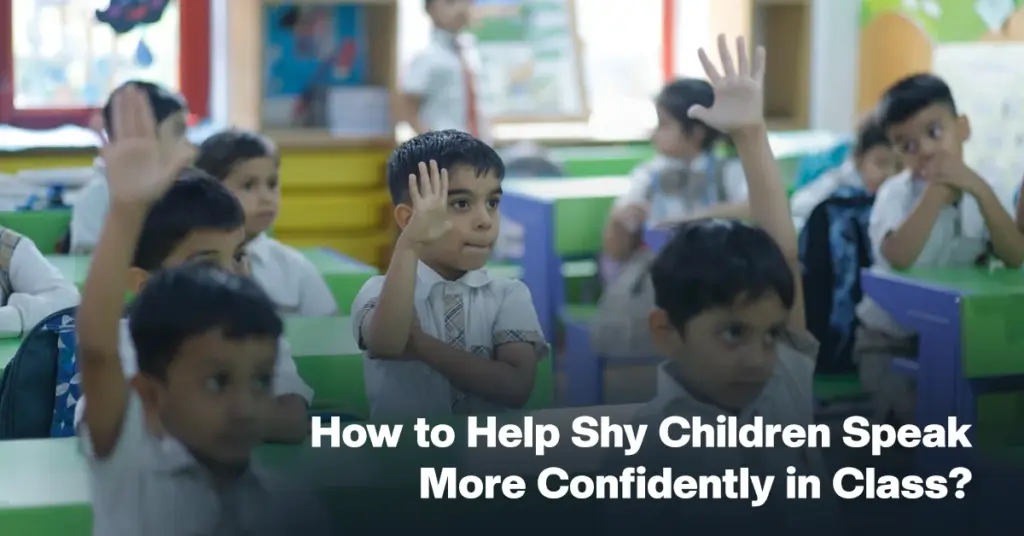
Some children are naturally comfortable speaking in front of others, while some take more time to open up. A child may know the answer but hesitate to raise their hand, feel uncomfortable speaking in front of classmates, or prefer to stay quiet during classroom activities. This does not mean that the child lacks ability. In many cases, children simply need the right environment and regular opportunities to express themselves.
The primary school years are an important time to develop communication skills. When children are encouraged to speak, ask questions, share their thoughts, and interact with others, they gradually become more comfortable expressing themselves.
At Scholars Rosary Preparatory School, we understand that every child has a different personality. Our teachers and staff make a conscious effort to give children regular opportunities to speak and participate without making them feel uncomfortable or nervous. For parents exploring Primary Schools in Rohtak, this is one of the important aspects to consider when looking at a child’s overall school experience.
How We Encourage Children to Speak with Confidence
1) Give Children Regular Opportunities to Speak
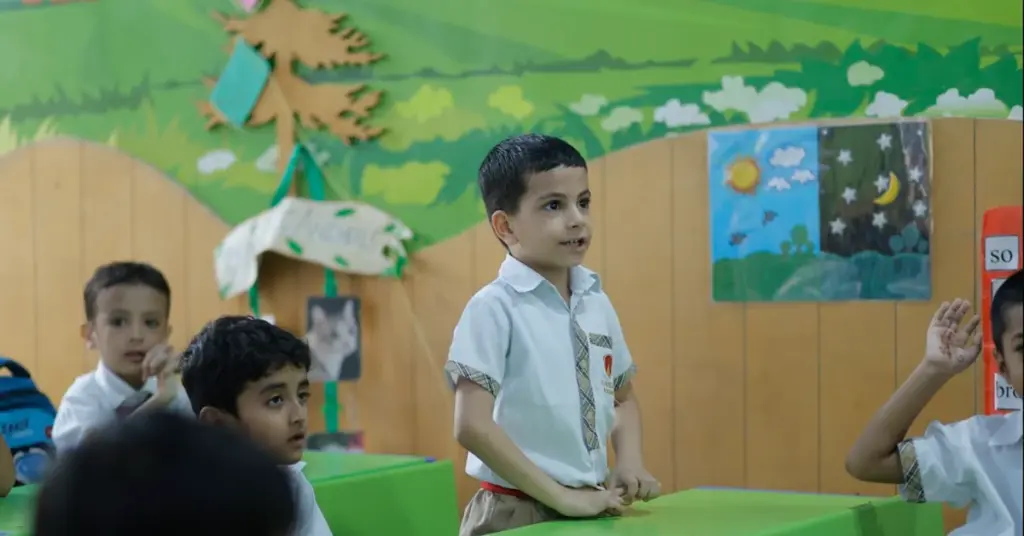
A child cannot become comfortable speaking in class if they are never given the opportunity to speak. Teachers can start with simple questions and gradually encourage children to participate more.
At Scholars Rosary Preparatory School, teachers encourage students to answer questions, share their thoughts, and participate in classroom conversations. Even a simple response gives a child an opportunity to speak in front of others and become more comfortable over time.
2) Encourage Questions in the Classroom
Some shy children may know the answer but hesitate to ask questions because they are worried about being wrong. Our teachers encourage children to ask questions whenever they do not understand something. They patiently listen to their questions and help them understand the topic. When children realise that their questions are welcomed, they gradually become more comfortable speaking up in class.
3) Give Every Child a Chance to Read
Reading aloud is a simple way to help young children become more comfortable speaking in front of others. Teachers can give each child an opportunity to read a few lines from their textbook or a storybook. It gives students regular practice in speaking clearly while also improving their reading and pronunciation. With repeated opportunities, children who were initially hesitant often become more comfortable participating.
4) Let Children Talk During Free Time
Communication skills are not developed only during lessons. During free periods and informal classroom activities, children get opportunities to talk to their classmates, share stories, discuss their interests, and simply interact with one another. These conversations help children become more comfortable communicating without the pressure of a formal classroom activity.
At Scholars Rosary Preparatory School, we encourage healthy interaction among students because children also learn important communication skills through everyday conversations and friendships.
5) Encourage Without Putting Pressure on Them
Every child becomes comfortable at their own pace. A child who is shy should not be repeatedly asked why they are not speaking or compared with a more outspoken classmate.
Teachers can encourage participation without putting unnecessary pressure on the child. A simple word of encouragement after a student answers a question, reads aloud, or participates in an activity can make them more willing to try again.
6) Use Activities That Encourage Speaking
Children often find it easier to speak when communication is part of an enjoyable activity. Storytelling, role play, group activities, presentations, classroom discussions, and show-and-tell activities can give children different ways to express themselves. These activities also allow teachers to understand each child’s personality and gradually encourage those who are more hesitant to participate.
How Parents Can Help at Home
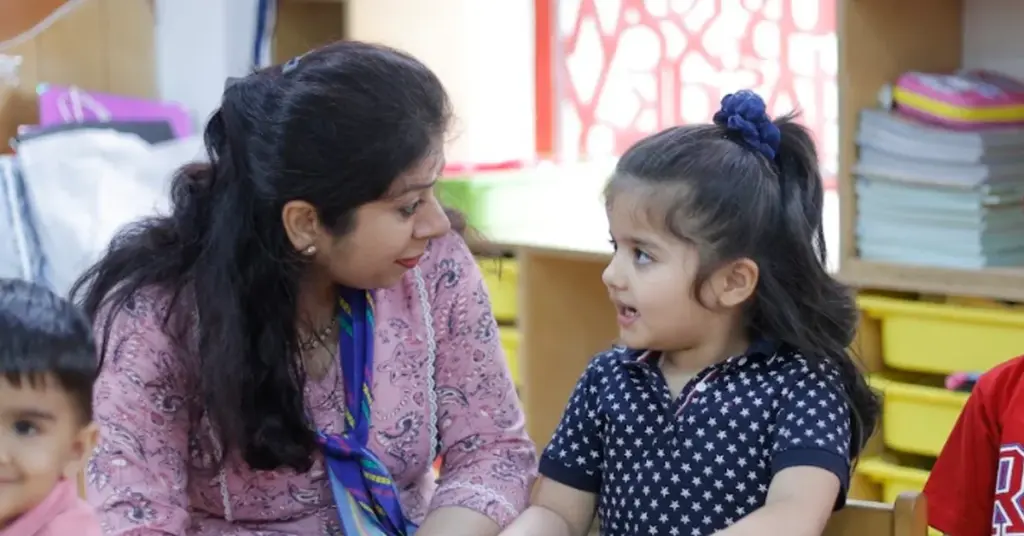
Parents also have an important role in helping shy children become better communicators. The process does not need to involve formal lessons. Simple everyday conversations can make a difference.
1) Talk to Your Child Every Day
Ask your child about their day, what they learned, what they enjoyed, and what happened with their friends. Give them enough time to answer instead of asking several questions quickly.
2) Let Them Express Their Opinions
Ask children about their favourite book, food, game, activity, or school subject. Let them explain why they like something. These small conversations help children practise expressing their thoughts.
3) Read Together
Reading stories together can help children develop vocabulary and become more comfortable with language. Parents can occasionally ask the child to read a small section aloud or tell the story back in their own words.
4) Avoid Comparing Them With Other Children
Children develop communication skills at different speeds. Comparing a shy child with a sibling, friend, or classmate can make them even more hesitant to speak. Instead, appreciate small improvements and encourage them to keep trying.
5) Give Them Opportunities to Interact
Encourage children to talk with family members, cousins, friends, and other children in age-appropriate settings. Regular interaction helps them become more comfortable starting conversations and responding to others.
How Scholars Rosary Preparatory School Helps Children Become Confident Communicators

At Scholars Rosary Preparatory School, communication development is part of everyday learning. Our teachers understand that some children are naturally more expressive while others need more time and encouragement.
We give students regular opportunities to answer questions, read aloud, participate in classroom activities, interact with classmates, and share their ideas. Teachers encourage children to participate without making them feel embarrassed when they make a mistake. This creates a classroom environment where children can gradually become more comfortable speaking in front of others.
Our activity-based approach also gives children different opportunities to communicate. Storytelling, phonics, group activities, music, dance, theatre, and other classroom experiences allow students to speak, listen, interact, and express themselves in different ways.
The aim is not to make every child the loudest person in the classroom. Instead, we want every child to feel comfortable expressing their thoughts when they have something to say.
For parents considering Primary Schools in Rohtak, this kind of everyday support can be an important part of a child’s early education. At Scholars Rosary Preparatory School, we work with children patiently and encourage them to develop communication skills at their own pace.
Conclusion
Shyness is not something that needs to be treated as a problem. Many children simply need time, encouragement, and regular opportunities to speak with others. Small experiences such as answering a question, reading a few lines, talking with classmates, participating in a group activity, or sharing an idea can gradually make a child more comfortable.
When teachers and parents work together and give children the right support, they can develop stronger communication skills without feeling pressured. At Scholars Rosary Preparatory School, we provide children with these opportunities as part of their everyday learning, helping them become more comfortable expressing themselves both inside and outside the classroom.