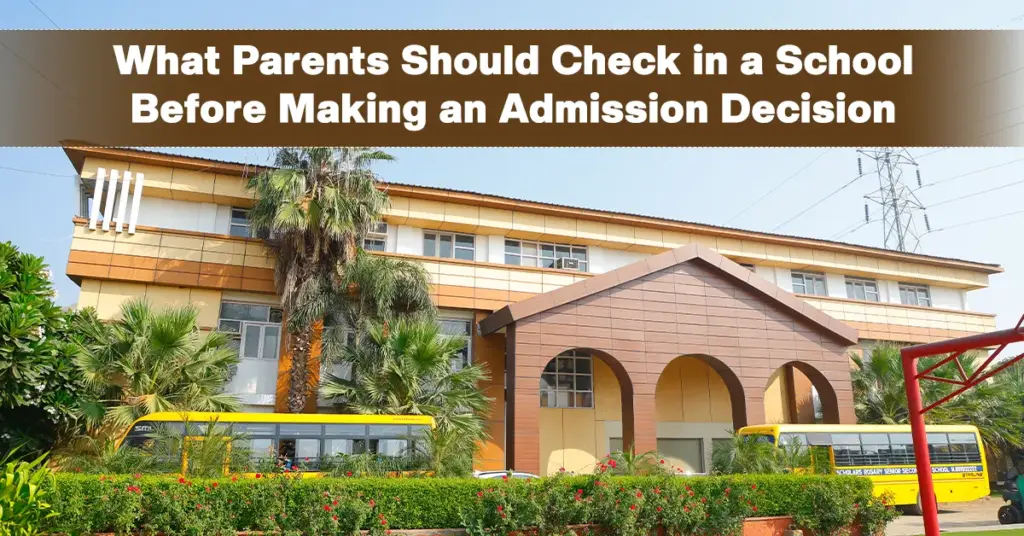
Choosing a school is an important decision for every parent. A school plays a major role in shaping a child’s academic foundation, interests, confidence, and social development. With so many schools offering different facilities and learning opportunities, parents need to understand what their child will experience beyond the classroom.
Before making an admission decision, it is worth visiting the campus, speaking with teachers, exploring the facilities, and understanding how the school supports students at different stages of their education. From smart classrooms and laboratories to sports, safety, hygiene, and parent-teacher communication, every aspect contributes to a child’s school experience.
In this blog, we will explore the best schools in Rohtak, from primary to senior secondary, to help parents looking for schools in Rohtak Haryana compare their options and make an informed admission decision for their child.
Here are some important things parents should check before choosing a school for their child.
1. Check the Academic and Curricular Facilities
A school’s academic environment should encourage students to understand concepts, ask questions, and explore subjects beyond their textbooks. Parents should look at the teaching methods as well as the facilities available to support classroom learning.
Smart classrooms can help teachers explain topics through visual presentations and digital resources. Libraries encourage reading and independent learning, while STEM laboratories allow students to explore science, technology, engineering, and mathematics through practical activities.
Parents can also ask about specialised facilities such as Robotics and AI labs, along with clubs that encourage students to develop particular interests. English, debate, and reading clubs, for example, can help students improve communication, express their ideas clearly, and become more confident when speaking in front of others.
Science and Mathematics laboratories, Computer labs, and hands-on learning spaces are particularly valuable as students progress through higher classes. However, the presence of these facilities is only one part of the picture. Parents should also understand how frequently students use them and how they are incorporated into lessons.
The aim is to choose a school where facilities support meaningful learning and help students develop a deeper understanding of what they study.
2. Explore Sports and Extracurricular Activities
Children learn important skills through activities that take place outside regular classroom lessons. Sports, music, dance, art, and other creative pursuits give students opportunities to discover their interests and develop abilities that complement their academic education.
When visiting a school, parents should check which activities are available, whether students get regular opportunities to participate, and whether the campus has suitable spaces and equipment.
Sports can help children develop discipline, teamwork, perseverance, and respect for others. Music, dance, and art encourage creativity and self-expression, while debates and other group activities provide opportunities to improve communication and confidence.
It is also worth checking the range of sports facilities available. Football grounds, cricket practice nets, badminton courts, skating areas, volleyball courts, table tennis facilities, and indoor games can provide students with different ways to stay active and explore their sporting interests.
Parents should also ask whether activities are accessible to students with different abilities and experience levels. Extracurricular education should give children opportunities to participate, practise, and improve, rather than focusing only on those who already excel.
3. Examine Campus Safety, Hygiene, and Transportation
A safe, clean, and comfortable environment is essential for a child’s daily school experience. Parents should carefully examine the campus and ask about the procedures followed to maintain student safety and hygiene.
Some important aspects to check include:
- Campus security: Secure entry and exit points, visitor management, CCTV coverage, and appropriate supervision during school hours.
- Drinking water: Availability of clean drinking water, including RO water where provided, and regular maintenance of the water purification system.
- Cleanliness and hygiene: Well-maintained classrooms, washrooms, laboratories, corridors, and common areas.
- Food hygiene: Clean food preparation and serving practices, hygienic dining areas, and appropriate handling of drinking water and food.
- Transportation: Well-maintained buses, trained drivers and attendants, clear pick-up and drop-off procedures, and GPS tracking where available.
- Emergency preparedness: Clear procedures for medical emergencies, fire safety, and other unexpected situations.
Parents should not hesitate to ask questions about these arrangements during a campus visit. It is important to understand not only which safety measures are available but also how they are maintained and followed in everyday school life.
A well-maintained campus and reliable transportation arrangements can give parents greater confidence while helping children feel comfortable in their learning environment.
4. Check the Qualifications and Teaching Approach of Teachers
Teachers have a direct influence on how students understand their subjects and feel about learning. Parents should ask about teachers’ qualifications, subject expertise, and experience, particularly for the classes their child will be entering.
Qualifications are important, but effective teaching also depends on how teachers explain concepts, engage students, and respond to different learning needs. Teachers should encourage questions, explain difficult topics using suitable examples, and identify when a student needs additional help.
For younger children, experience in early childhood education, activity-based learning, phonics, and language development can be particularly valuable. As students progress into higher classes, subject expertise, practical demonstrations, regular assessments, and examination preparation become increasingly important.
Parents should also consider whether teachers provide constructive feedback and help students understand their mistakes. Regular assessments and doubt-clearing opportunities can help identify learning gaps before they become more difficult to address.
During a school visit, parents can ask how teachers monitor student progress and how the school communicates with families when a child needs additional support. A strong teaching environment combines subject knowledge with a genuine commitment to helping students learn.
5. Understand How the School Involves Parents
A child’s education works best when parents and teachers communicate regularly. Both have valuable insights into the child’s progress, interests, and difficulties, and sharing these observations can help provide consistent support.
Before admission, parents should ask how frequently parent-teacher meetings are conducted and how the school shares updates about academic performance, attendance, classroom participation, and behaviour.
A useful parent-teacher meeting should go beyond discussing marks. It should provide an opportunity to understand the child’s strengths, areas for improvement, learning habits, and overall development.
Parents should also find out whom to contact if a concern arises between scheduled meetings and how teachers respond when a student needs additional academic or emotional support.
At Scholars Rosary, we believe communication between parents and teachers is an important part of supporting each child’s development. When families and teachers work towards common goals, students can receive more consistent guidance at school and at home.
6. Find Out What Former Students Are Doing Today
A school’s alumni can provide useful insights into the opportunities students pursue after graduation. Parents can explore where former students have studied, which courses they have chosen, and what professional paths they have followed.
Some alumni may pursue engineering, medicine, management, technology, research, or other fields, while others may choose different academic and professional directions. Learning about these journeys can help parents understand the range of opportunities available after school.
It is useful to look at both higher education and career progression. Where have former students pursued undergraduate or postgraduate studies? Have they entered professional roles or continued with specialised education? Does the school help students understand their options after Class 12?
At Scholars Rosary, our former students have pursued higher education at institutions such as IIT Delhi, IIM Indore, the University of Delhi, the University of Liverpool, and BITS Pilani. Others have entered professional fields including consulting, data analysis, economic analysis, and management.
Alumni achievements should be considered alongside other indicators of school quality. Every student’s journey is different, and a school’s contribution should not be judged only by a few successful individuals. Parents should also look at how the school helps students explore their interests, make informed choices, and prepare for the next stage of life.
7. Look for Facilities That Support Creativity and Practical Learning
Academic learning becomes more meaningful when students have opportunities to explore, create, experiment, and apply their knowledge. Parents should therefore look beyond conventional classrooms and find out whether the school provides spaces for different types of learning.
Facilities such as art rooms, music and dance spaces, theatres, recording studios, and activity areas can help students explore their creative interests. STEM resources, Robotics facilities, and AeroBay can provide opportunities to engage with practical concepts and develop curiosity about science and technology.
A library also plays an important role by giving students access to books and reference materials beyond their prescribed textbooks. Similarly, clubs and group activities can encourage collaboration, research, public speaking, and independent thinking.
Parents should ask how these facilities are used during the academic year and whether students across different age groups get opportunities to participate. The purpose is to find a school that supports different abilities and interests, not just academic performance.
Why Consider Scholars Rosary for Your Child’s Education?
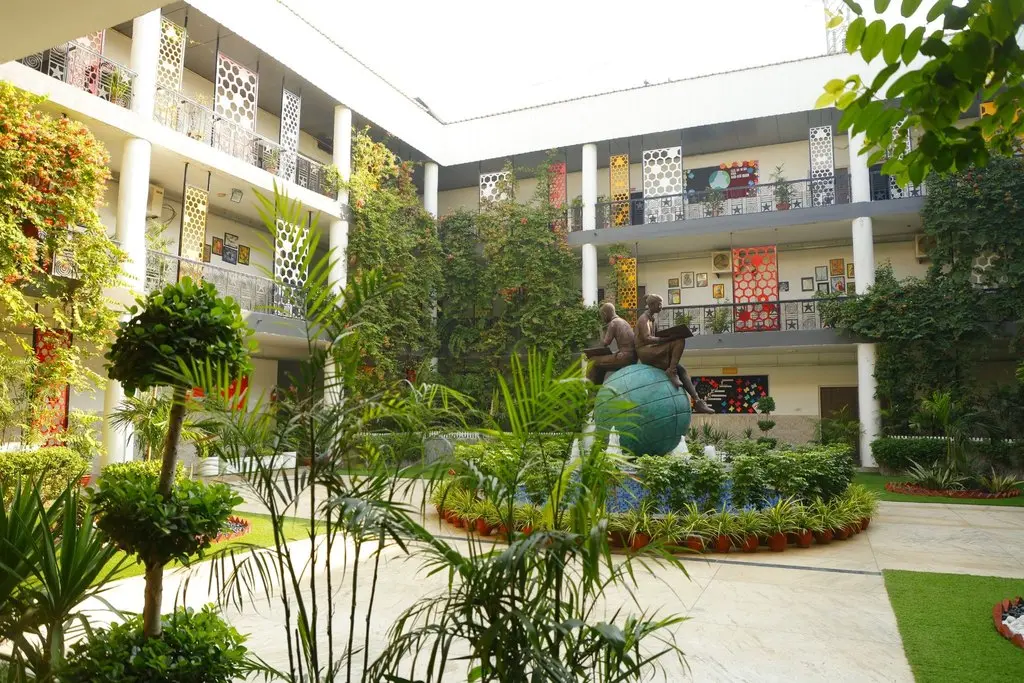
At Scholars Rosary, the best senior secondary School in Rohtak, we believe that choosing a school means looking at the complete experience a child receives, from classroom teaching and practical learning to safety, sports, creative activities, and communication with parents. Our aim is to provide students with an environment where they can develop academic abilities, explore their interests, and grow in confidence.
Our four CBSE co-educational campuses in Rohtak cater to different stages of schooling:
- Blossoms: Pre-Nursery to Grade 2
- Preparatory School: Pre-Nursery to Grade 3
- Imperial Campus: Pre-Nursery to Grade 5
- Senior Secondary School: Grade 3 to Grade 12
This gives parents the opportunity to choose a campus suited to their child’s age and stage of learning. For parents looking for Schools in Rohtak, our schools are an excellent choice because all our campuses are located in Rohtak, allowing students to move from one of our schools to another without any issues.
Academic Facilities for Different Stages of Learning
Our learning facilities include smart classrooms, libraries, Science and Mathematics laboratories, Computer facilities, Robotics, Virtual Reality (VR), STEM resources, and AeroBay. These resources complement classroom teaching and provide opportunities for students to explore concepts through practical activities and different learning methods.
For younger children, our Preparatory School focuses on activity-based learning, phonics, storytelling, and classroom interaction to help build strong foundations. As students progress through higher classes, subject-specific facilities and academic support help them engage with more advanced concepts.
Opportunities in Sports and Creative Activities
We recognise that children need opportunities to develop interests beyond academics. Our campuses offer a range of sports and creative learning opportunities, supported by facilities that include a football ground, cricket practice nets, badminton, skating, volleyball, table tennis, and indoor games.
Students also have opportunities to explore areas such as art, music, dance, theatre, and other activities. These experiences allow them to discover their strengths while developing teamwork, discipline, creativity, and confidence.
Safety, Hygiene, and Transportation
We understand that parents need confidence in the environment where their children spend a significant part of the day. Campus security, student supervision, cleanliness, and transportation arrangements are important aspects to consider when choosing a school.
At Scholars Rosary, safety and student well-being are important considerations. Our campus safety arrangements include CCTV surveillance and secure entry and exit procedures, while GPS-enabled buses support transportation monitoring. Parents can speak with our team to understand the arrangements applicable to the campus they are considering, including drinking water, hygiene, and transportation procedures.
Parent Communication and Academic Guidance
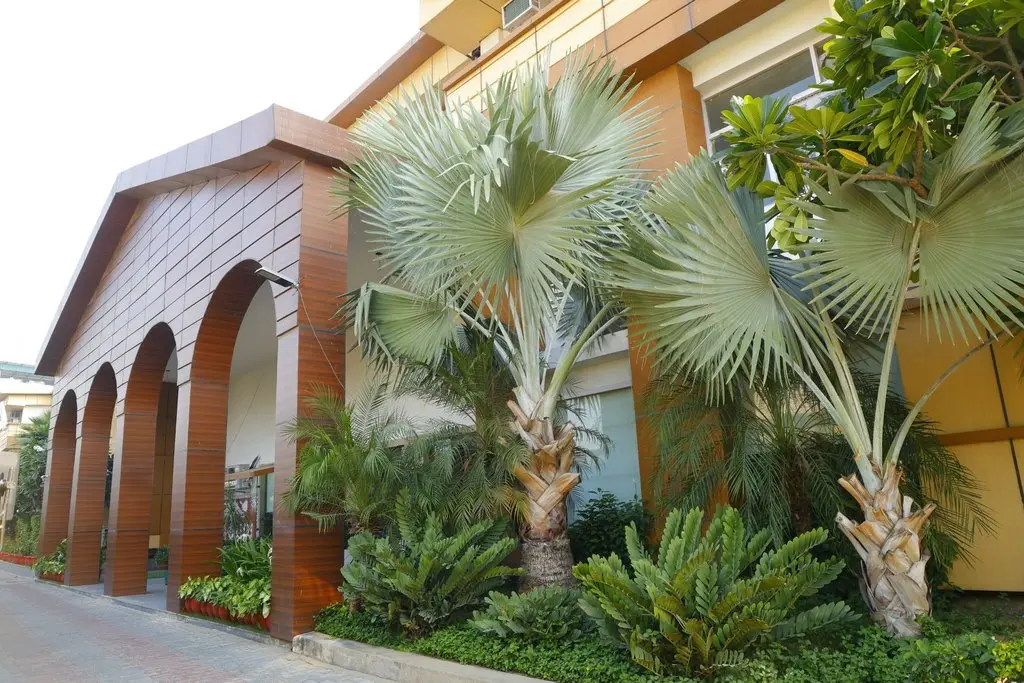
We value the role parents play in a child’s education. Communication between teachers and families helps everyone understand a student’s progress, recognise areas that need attention, and work together towards improvement.
Our academic environment also includes assessments, teacher guidance, and learning resources that support students as they progress through different classes. For senior secondary students, preparation for board examinations and guidance about higher education are particularly important.
Alumni and Future Opportunities
Our former students have pursued higher education at institutions such as IIT Delhi, IIM Indore, the University of Delhi, the University of Liverpool, and BITS Pilani. Others have moved into professional fields including consulting, data analysis, economic analysis, and management.
These varied journeys reflect the different opportunities students can pursue after school. We want our students to build strong academic foundations, understand their interests, and feel better prepared to make decisions about higher education and their future careers.
We encourage parents to visit the relevant Scholars Rosary campus, explore its facilities, and speak with our team about teaching methods, extracurricular activities, safety procedures, transportation, and parent-teacher communication. A campus visit is a useful way to understand how the school can meet a child’s individual needs.
Conclusion
There are many Schools in Rohtak Haryana and choosing a best senior secondary School in Rohtak requires more than comparing fees, facilities, or academic results. Parents should understand how the school teaches, how it supports students, and whether it provides a safe and engaging environment for learning and development.
Before making an admission decision, take time to examine the academic facilities, teachers’ qualifications, extracurricular opportunities, campus safety, transportation, alumni journeys, and parent involvement. Ask questions, visit the campus, and consider how well the school’s approach matches your child’s needs.
At Scholars Rosary, we believe that a good school should support students both inside and outside the classroom. By considering these factors carefully, parents can make an informed decision and choose an educational environment where their child can build strong foundations, develop new skills, and prepare for the future.
Frequently Asked Questions About Changing Schools in Rohtak
1. What should parents check before moving their child to a new school?
Parents should compare the school’s academic performance, teaching methods, teachers’ qualifications, facilities, safety measures, extracurricular activities, and transportation arrangements. When exploring schools in Rohtak, they should also consider whether the new school meets their child’s learning needs.
2. How can parents know if a new school will be a good fit for their child?
Parents should consider their child’s academic needs, interests, learning style, and comfort level. A school that offers suitable teaching methods, personal attention, extracurricular opportunities, and a supportive environment can help children settle in and continue developing.
3. Should parents visit the new school before making the move?
Yes, visiting the school helps parents understand its classrooms, laboratories, sports facilities, safety arrangements, and overall learning environment. Parents exploring schools in Rohtak Haryana should also speak with the teachers or admissions team to clarify their questions before making a decision.
4. What academic factors should parents compare between the current and new school?
Parents should compare the curriculum, subject options, teaching methods, teachers’ experience, academic results, assessment methods, and support for students who need extra help. For Classes 11 and 12, checking subject combinations and board examination preparation is particularly important when choosing the Best senior secondary School in Rohtak.
5. How important is the school’s location when changing schools?
Location is important because a long or difficult commute can affect a child’s daily routine, rest, and time for studies and activities. Parents should consider travel time, transportation safety, and bus availability when comparing schools in Rohtak Haryana.
6. How can parents help their child adjust after changing schools?
Parents can help by discussing the change positively, listening to their child’s concerns, and giving them time to settle in. Encouraging participation in classroom activities, sports, and clubs can help children make friends and feel comfortable in their new school. Regular communication with teachers can also help parents understand how their child is adjusting.